Office Fit-Out Oman
Office Fit-Out Oman: Step-by-Step Guide
A well-planned office fit-out turns an empty or outdated space into a workplace that supports efficiency, comfort, and brand identity. In Oman, the best projects are usually the ones that are managed with a clear scope, realistic budgeting, and close coordination between design, procurement, and installation.
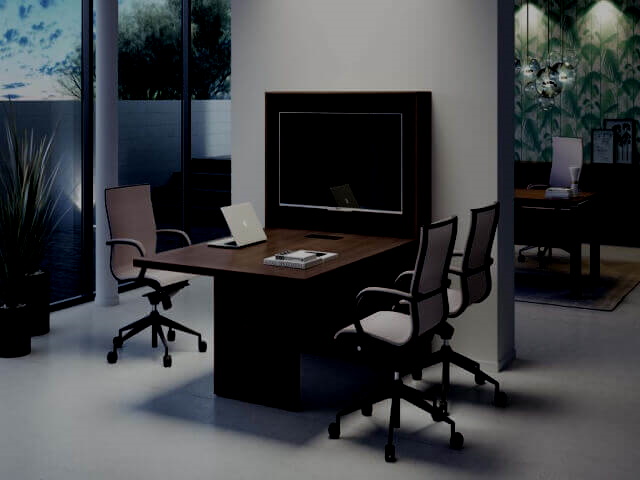
1. Define the business goals first
Every office fit-out should begin with a business goal. Some companies need to increase headcount, others want better collaboration, and some need a stronger client-facing environment. Once the goal is clear, the layout, materials, and furniture choices become easier to align with it. A law firm will not need the same space logic as a creative agency or a logistics company.
2. Measure the space and understand the constraints
Accurate measurements are essential. Ceiling height, column locations, service routes, windows, and circulation paths all affect how the space can be used. In commercial projects, even a small error in sizing can affect furniture installation, partition alignment, or access to electrical and data points. A proper site survey reduces expensive changes later.
3. Plan the layout around daily workflow
The most effective office layouts are built around how people work. Reception should connect clearly to the visitor path. Managers need access to teams without interrupting focus. Meeting rooms should be close enough to use but not so close that they disturb open work areas. Storage, pantry, and service zones should be placed with convenience and maintenance in mind.
- Separate quiet work areas from collaboration areas where possible.
- Allow enough aisle width for movement and cleaning.
- Keep shared printers, storage, and cables in logical places.
- Use furniture to support the plan, not fight against it.
Project tip: align furniture dimensions and power/data points before partition fixing to avoid costly rework.
4. Choose the right materials for each zone
Different zones need different material priorities. Reception areas often need stronger visual impact. Workstations need durability and easy maintenance. Meeting rooms may need acoustic support. Flooring should be specified according to traffic, cleaning needs, and acoustic performance. Partitions should balance privacy, transparency, and fire or acoustic requirements where relevant.
5. Coordinate furniture, partitions, flooring, and MEP work
One of the most common project delays happens when trades are not coordinated early. Furniture cannot be installed properly if the flooring or MEP points are incomplete. Partitions need to align with the furniture plan. Lighting should suit the working positions. Data and power points should support real use, not just the drawing. Good fit-out management keeps these elements moving together.

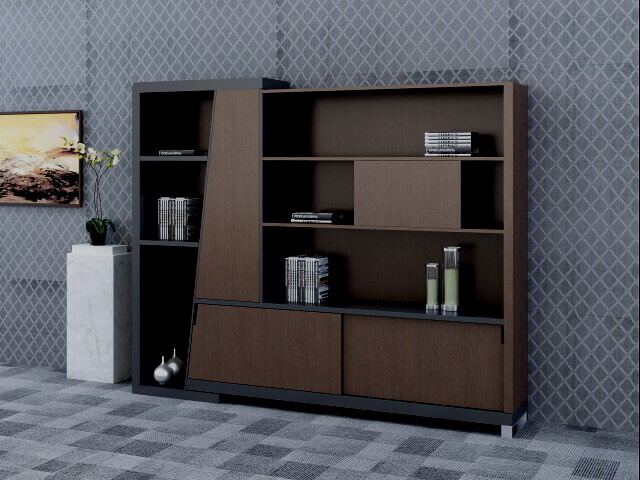
6. Build in time for approvals and procurement
Commercial projects often move through approvals, procurement, fabrication, delivery, and installation. Each stage affects the next. If you are sourcing office furniture in Oman, confirm lead times early, especially for custom desks, partitions, or flooring orders. A realistic project schedule protects both quality and deadlines.
7. Do not forget the handover and maintenance stage
A complete fit-out includes handover documents, warranty details, and maintenance guidance. This matters for flooring care, furniture durability, and any future repair work. Good after-sales support also makes the office easier to manage over time.
Frequently asked questions
What should be decided before starting an office fit-out?
Start with business goals, budget, timeline, team size, and space requirements before design begins.
How long does an office fit-out usually take?
Timelines vary by scope, but procurement, approvals, and installation should all be planned early to avoid delays.
What causes most fit-out problems?
Poor coordination between trades, unclear scope, late design changes, and underestimated lead times are common causes.
Need help planning an office fit-out in Oman from first concept to installation?
Request a consultation